
You already know how to do this. You pull a pepper off the plant, slice it open, and scrape the seeds onto a paper towel. That's most of it. The rest is just drying, labeling, and storing correctly — and understanding enough about plant biology to know which seeds are worth saving and which will disappoint you next spring.
Start here: not every seed is worth saving. Hybrids, labeled F1 on the packet, will not breed true. The plant that grows from a saved F1 seed may look nothing like its parent. This is by design. Save them if you're curious, but don't count on them for a reliable crop.
Open-pollinated varieties are different. They are stabilized over generations of selection and reproduce faithfully when grown in reasonable isolation from other varieties of the same species. Heirloom varieties are a subset of open-pollinated seeds — ones that have been cultivated and passed down long enough to carry both genetic and cultural history. Varieties like Cherokee Purple tomato or Dragon Tongue bean aren't just special cultivars. They're documents of living history with a deeply resonant history behind them.
Which Plants to Start With
Tomatoes are forgiving. They're largely self-pollinating,1 which means cross-contamination from neighboring varieties is minimal under normal garden conditions. Slice the fruit, squeeze the gel and seeds into a small jar with a bit of water, and let it ferment for two to three days at room temperature. The viable seeds sink; the duds float. Pour off the float, then rinse what remains, spread it on a labeled paper plate or coffee filter, and let it dry completely before storing. That's the process, and it takes about a week total.
Beans and peas are similarly accommodating. Let the pods dry on the plant until they rattle. Pull them before hard frost, finish drying indoors if needed, shell them out. Done. Legumes are the easiest introduction to seed saving available, and a single season of letting a few pods go to dry gives you more seed than you'll plant in three years.
Squash, melons, and cucumbers cross freely with other varieties of the same species, which complicates things. A small note: cucumbers won't cross with squash, but two different squash varieties in the same garden will cross with each other readily, and the resulting seed is unpredictable. The key is isolation by distance or hand-pollination with bagging. A quarter mile is the textbook recommendation for distance, but it's impractical for most home gardens, so hand-pollination is usually the more realistic option.
Selecting for Your Garden
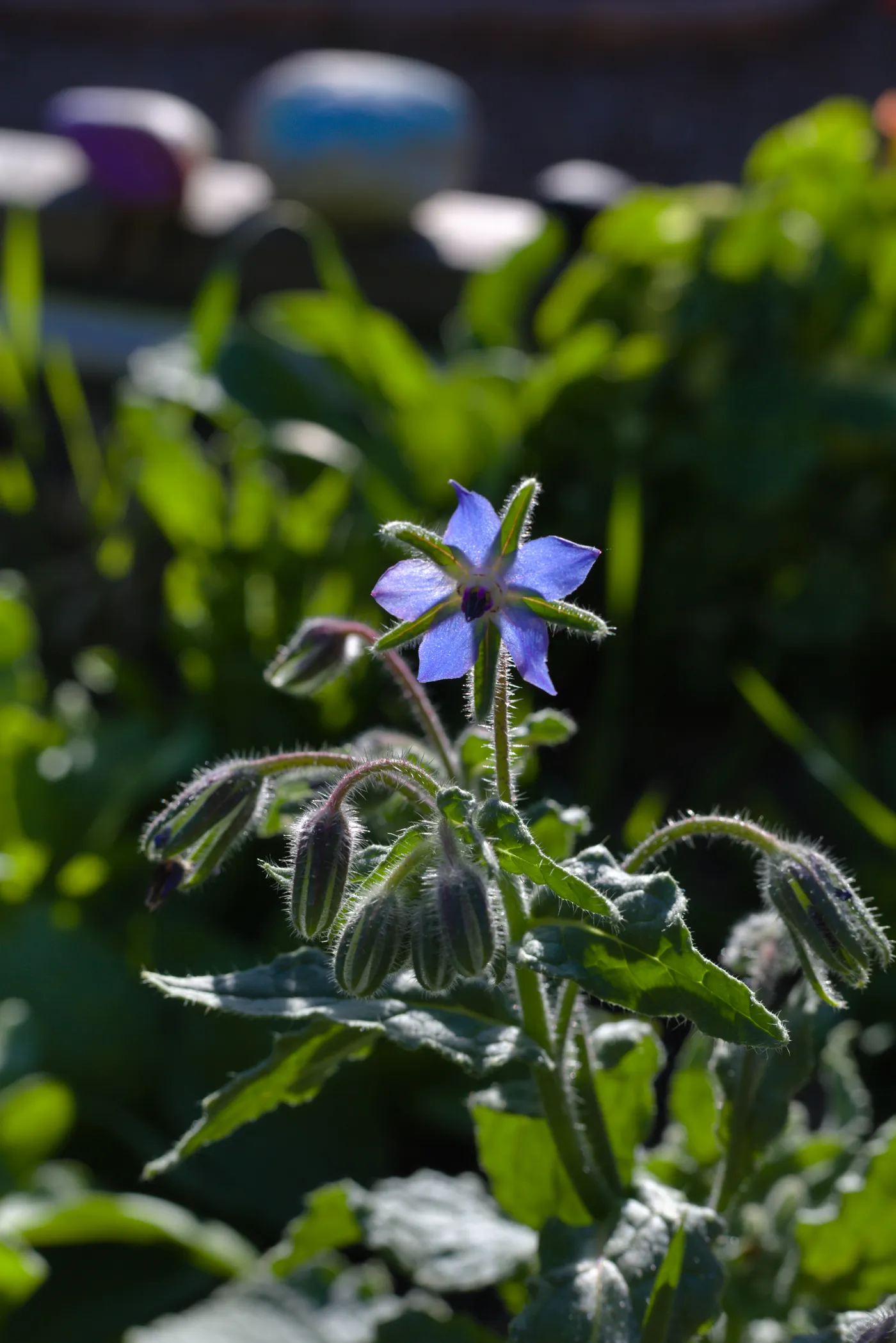
The most underrated part of seed saving is selection. Which fruit are you saving from? The first to ripen, the most disease-resistant, the most productive plant in the bed? Over generations, this selection pressure shapes the variety to better suit your conditions. A Cherokee Purple tomato grown in Boise for five seasons becomes something slightly different from the same variety grown in coastal Maine. Not a different variety. But tuned specifically to its local microclimate.
Save from multiple plants when you can, not just one. Genetic diversity within a variety matters for resilience. Saving from only a single plant each season narrows the genetic base over time, which makes the population more fragile. Start by saving from your three best plants. That's enough.
Drying and Storage
Seeds need to be dry before storage. Truly dry, not just surface dry. Residual moisture is the main cause of germination failure in stored seed. Let cleaned seeds dry at room temperature on a non-stick surface for a minimum of one week — two is better for larger seeds or in humid climates. They should snap or shatter when you fold them, not bend.
Store in paper envelopes inside an airtight container with a desiccant packet. Label with variety name, date saved, and where it came from. A cool, dark location is sufficient for most seeds. A refrigerator works well. The enemy is fluctuating temperature and humidity, not cold.
Most vegetable seeds remain viable for three to five years under good storage conditions. Onions, parsnips, and parsley are short-lived, one to two years. Tomatoes, peppers, and squash store well for five or more. Test germination on older seed before committing a whole bed to it: ten seeds on a damp paper towel, count how many sprout in the expected window.
The seed you save is yours.2 It is not licensed, not patented, or subject to anyone's "terms of service." Open-pollinated seed, saved and shared, is one of the few remaining common goods available to the home gardener.
Citations
1. Xiao R. Closed floral structure for self-pollination in cultivated tomato. Trends in Plant Science, 2024; 29, 1059–1061.
2. Gray, R.S. In defense of farmer saved seeds. Rev Agric Food Environ Stud 102, 451–460 (2021). https://doi.org/10.1007/s41130-021-00162-y